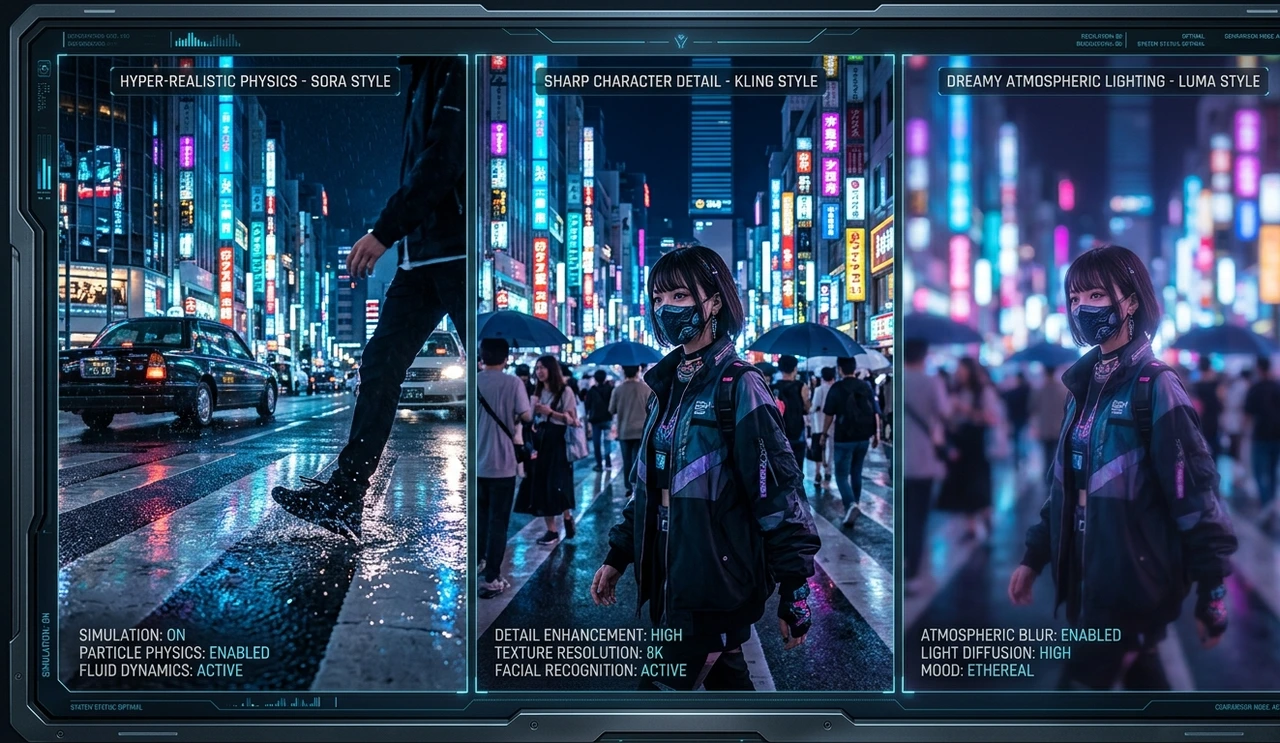
A friend ran a quick experiment last month with the same 8-second prompt, three different tools, three different credit cards charged. Sora took 22 minutes and returned cinematic gold. Kling returned a perfectly usable clip in under 4 minutes and cost 63% less. Luma turned the whole thing into a moody short film nobody asked for but everyone liked.
That's the AI video generator battle in 2026, in three sentences.
The market for AI video generation is projected to approach $1 billion this year, according to Fortune Business Insights. Production costs have dropped over 90% compared to traditional video shoots. And yet, most guides online still list five tools, slap 'best' on each one, and leave you more confused than before.
This isn't that article. Especially now, just three days after OpenAI officially pulled the plug on Sora's web and mobile interface (April 26),the focus here is one specific question: between Sora, Kling, and Luma, the three most-searched AI video tools right now, which one actually fits your workflow in 2026?
Quick Comparison: Sora vs Kling vs Luma at a Glance
Before going deep, here's the honest snapshot based on tested output across the same prompts:
Tool | Best Use | Price/mo | Clip Length | Standout Feature |
Sora 2 | Narrative storytelling | $20 (ChatGPT+) | Up to 20s | Physics & world- modeling |
Kling 3.0 | Budget cinematic + volume | $0.07/sec | Up to 10s | Character consistency |
Luma Ray 3 | Image-to-video, environments | $9.99 | Up to 10s | Cinematic atmosphere |
Google Veo 3.1 | Best overall quality | $19.99 | Up to 8s | Native audio generation |
Runway Gen-4.5 | Pro production control | $12 | Up to 10s | Temporal consistency |
Veo 3.1 and Runway Gen-4.5 are included because they keep showing up in every real-world creator comparison and because ignoring them would make this guide less useful, not more focused.
"The right tool isn't the one with the highest benchmark score — it's the one that fits your budget, your timeline, and your content type."
What Sora 2 Actually Does Well (And Where It Falls Apart)
Sora's 2026 version has shifted from a video generator into what OpenAI calls a 'World Simulation' model. It understands how light reflects off rain-soaked pavement. It remembers that a character was wearing glasses three seconds ago. That kind of object permanence and physics coherence is genuinely rare.
For YouTube channels in travel, cinematic storytelling, or luxury brand content, Sora's output quality is still the benchmark. A detailed prompt about a Tokyo alley at night: neon signs, wet pavement, cherry blossoms -- returns footage that looks like it cost real money to shoot.
The problem is what multiple 2026 creator tests call the 'Sora Tax': render times that regularly exceed 20 minutes per clip. For anyone doing daily volume publishing, that math doesn't work. As of April 26, 2026, OpenAI shut down the Sora web and app experience entirely. Only the API remains active until September 24, 2026.
If you're currently using Sora through ChatGPT Plus ($20/month), that access window is closing. The character reference system is also weaker than Kling's — which matters a lot for faceless YouTube channels trying to keep a consistent on-screen persona across 30 videos.
"Sora is still the quality king — but it's becoming a legacy workflow, not a daily driver."
Why Kling 3.0 Keeps Winning on Real Production Budgets
Kling 3.0 launched in early 2026 with multi-shot sequences: 3 to 15 seconds of video with subject consistency across different camera angles. Maintaining the same face, outfit, and spatial logic across multiple shots was the hard part that kept AI video out of serious commercial work and Kling solved it.
Ethan Mollick, a Wharton professor who researches AI productivity, specifically cited Kling's realistic human generation as a standout. At roughly $0.07 per second of generated video, it's 44% cheaper than Runway and significantly cheaper than Sora's API pricing. For 100 clips per month, that works out to roughly $70 — often less than a monthly subscription tool.
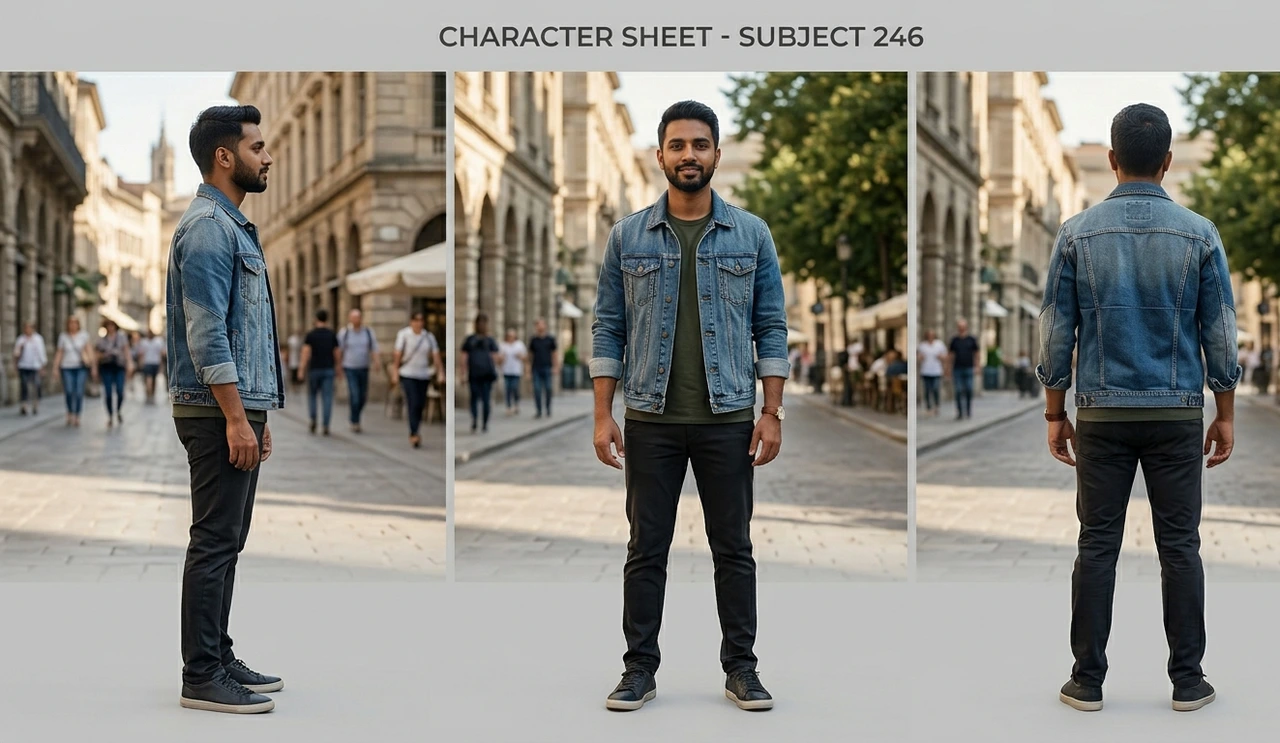
In creator community testing on Reddit's r/generativeAI, Kling consistently wins for faceless YouTube channels because of that character consistency. Run the same character reference across a 10-video batch and they look like the same person. Try that with Luma and you'll be fixing inconsistencies in posts every time.
Kling also offers 66 daily free credits, the most generous free tier of any major video tool right now. That's enough to test 5-6 clips before committing to anything.
The honest weakness: Kling's interface isn't as polished as Runway's. And its cinematic camera controls precise lens paths, film grain trails, Runway Gen-4.5 when you need precision over volume.
"For high-volume content creation with consistent characters, Kling 3.0 is the most cost-effective serious option in the market right now."
Luma AI in 2026: What Ray 3 Does That Nothing Else Matches
Luma has rebranded its models; the current version is Ray 3 and Ray 3.14, not Dream Machine, which was the older name. The image-to-video work is where Luma still stands alone. Hand it a Midjourney image and ask it to animate a scene camera drifts through a forest, steam rises from a cup, fabric moves in wind and the result has a specific cinematic atmosphere other tools don't replicate.

Apostle, an AI-native video production studio that uses both Kling and Luma in real client work, found in comparative testing that Luma wins on photorealistic lighting and physically accurate camera motion, while Kling wins on character-focused and commercial output. Those are genuinely different strengths, not interchangeable choices.
Luma's 2026 Turbo Mode is also worth noting for publishing speed: creators report producing a full 60-second daily news short in under 40 minutes of total production time. That's fast enough for daily YouTube workflows.
The drawbacks are real though. Luma doesn't hit 4K/60fps (that's Kling 3.0). There's no native audio generation (that's Veo 3.1). Clip lengths are shorter than Sora 2's 20-second maximum. Luma is excellent at what it does but the range is narrower than competitors.
"Luma Ray 3 is the specialist's pick unmatched for environment and image-to-video work, not the right choice for character-driven or high-volume output."
Which AI Video Generator Wins for Your Specific Use Case
Every multi-tool comparison run in early 2026 arrives at the same conclusion: there's no single winner, but there are clear right answers per workflow.
Cinematic storytelling or travel YouTube? Sora 2 via API is still the top output but migrates now, because app access ends in September 2026.
Faceless YouTube automation needing character consistency across batches? Kling 3.0 is the default recommendation across creator communities on Reddit and X. The free tier gives you room to test before paying a cent.
Environment-driven content product showcase, nature, architectural visualization, or any case where you start from a static image? Luma Ray 3 is the specialist. Its image-to-video quality isn't matched by Kling or Sora in this specific category.
If budget isn't the main constraint and you need integrated audio without a separate production step, Google Veo 3.1 at $19.99/month is the current overall quality leader. Artificial Analysis's video generation leaderboard ranks its first Veo 3 as the first model to top both Image-to-Video and Text-to-Video categories simultaneously.
"Stop looking for one tool that does everything. Pick the right specialist for each content type you produce."
Real Pricing Breakdown: What You'll Actually Spend
Marketing pages lie about pricing more than almost anything in tech. Here's what these tools actually cost in practice, based on platform documentation as of April 2026.

Sora 2 is included with ChatGPT Plus at $20/month for limited generations. The Pro tier ($200/month) unlocks priority access. API pricing runs several dollars per high-quality clip.
Kling 3.0 charges approximately $0.07 per second of generated video. A 10-second clip costs roughly $0.70. For 100 clips per month, that's about $70 usually less than subscription tools, with no wasted credits sitting unused.
Luma Ray 3 starts at $9.99/month for standard access, the most affordable entry point of any major tool. Generation in Turbo Mode can be under 40 seconds per clip. Pika ($10/month) and Hailuo MiniMax (free tier) are worth testing alongside as comparison benchmarks before committing a budget anywhere.
"The cheapest tool is the one that gets your clip right in the fewest attempts, not the one with the lowest headline price."
What to Do in the Next 48 Hours
If you're currently on Sora using the ChatGPT interface, the window is closing. Open klingai.com or lumalabs.ai today, create a free account, and run the exact same prompt you'd send to Sora. Compare the output side by side before the migration becomes urgent.
If you're starting fresh, here's the single most useful test: take your most-produced content type, write one 50-word prompt describing a specific scene, and run it through Kling's free tier. That one test tells you more than 10 comparison articles.
The AI video generator battle in 2026 isn't about which tool is abstractly 'best.' It's about which one handles your specific content faster, cheaper, and with fewer wasted takes. Sora is shutting its consumer door. Kling and Luma are improving every quarter. Pick the tool that fits your pipeline, not the one that wins a leaderboard.
"Don't wait for a definitive winner. The landscape shifts every 90 days. Test one tool this week and ship something."
About the Author
Ali Akramis an AI tools researcher and content strategist who has spent the past two years testing text-to-video platforms across real production workflows, not just benchmark prompts. He has published comparative reviews across more than 30 AI creative tools, with a focus on what actually works for content creators operating at scale. His testing methodology prioritizes cost-per-usable-clip over raw quality scores, because that's what matters when publishing daily. He is based in Islamabad and covers AI productivity tools for creators, marketers, and small production teams.