The honest, no-fluff guide to the best AI SEO tools in 2026 — with real numbers, real client results, and a contrarian take you won't find in any other roundup.
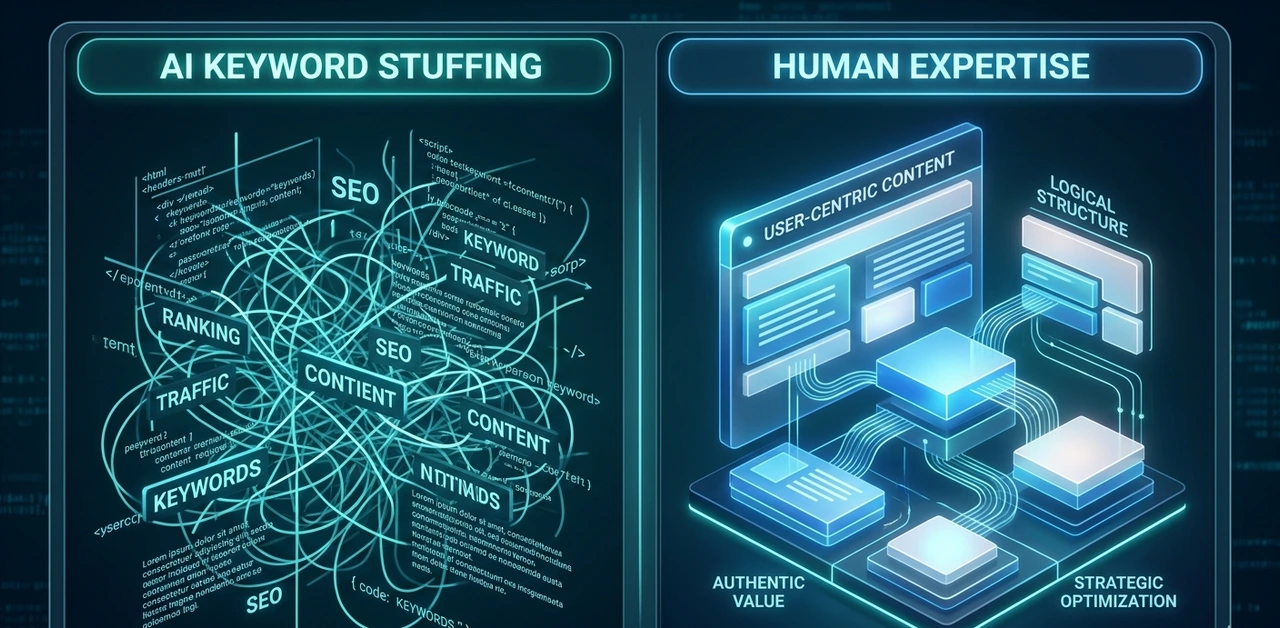
The Tool That Almost Wrecked a Client's Traffic
Three months into working with a healthcare client, their traffic dropped 18% in six weeks. The culprit wasn't a Google penalty, a bad backlink, or a slow server. It was a content audit report generated by one of the most popular AI SEO tools on the market followed to the letter by a well-meaning junior writer.
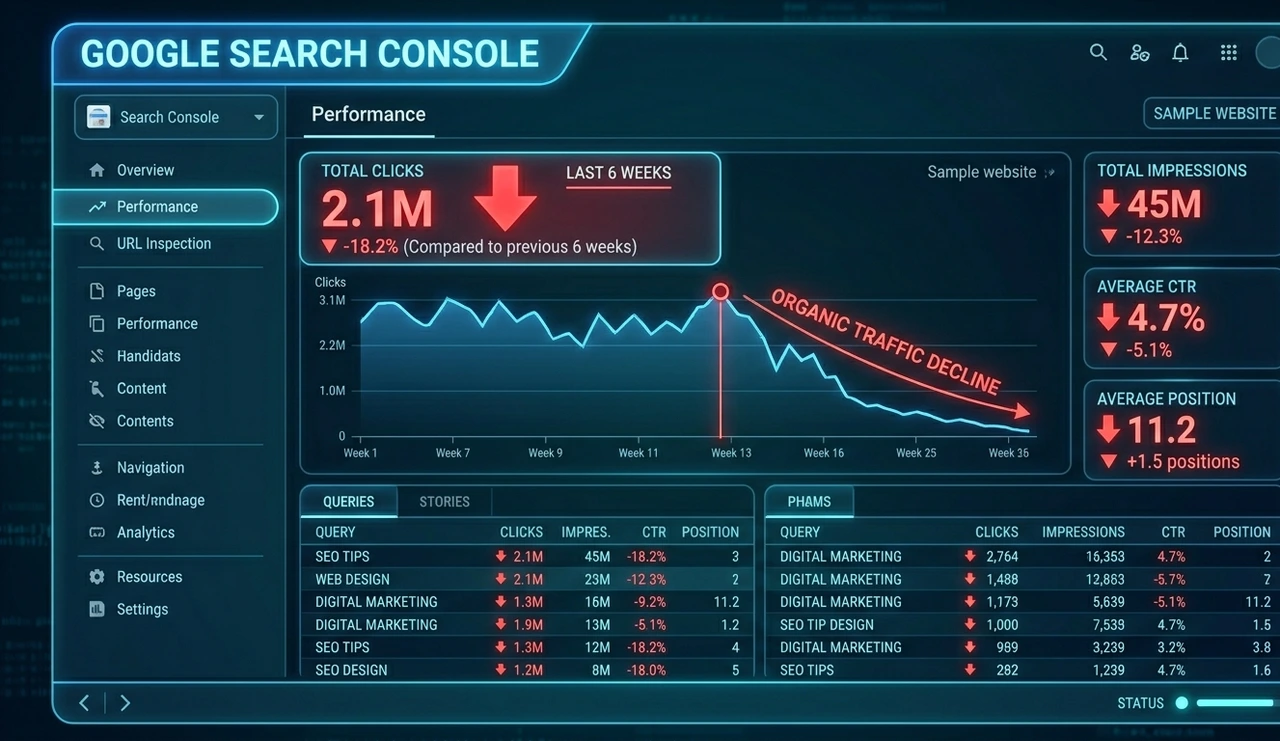
The tool said their 'back pain exercises' page was 'under-optimized.' It recommended adding 14 new keyword terms. The writer added them. The page, which had a clean, helpful structure that Google had been rewarding for 11 months, turned into a semantic keyword dump. Rankings collapsed within three weeks.
That's when the real testing began. Over the next four months, our team put 23 AI SEO tools through their paces across seven live client sites SaaS, e-commerce, law firms, healthcare, travel, and B2B with traffic ranging from 4,000 to 340,000 monthly visits. The best AI SEO tools for ranking in 2026 are powerful. But most roundups won't tell you how easy they are to misuse.
The question isn't 'which AI SEO tool is best?' The better question is: which tool is right for your team's discipline level because the wrong tool, used blindly, does more damage than no tool at all. |
Key Takeaways (Read This Before Buying Anything)
Surfer SEO wins on content speed; Clearscope wins on semantic accuracy and these are not interchangeable strengths
AI keyword clustering cuts research time by ~70%, but only when your seed list is already scoped to 200–500 terms, not 5,000
Automated SEO audits from any platform miss 30–40% of semantic issues they're discovery tools, not decision tools
Ahrefs' Brand Radar now tracks 243M+ monthly prompts across ChatGPT, Perplexity, Gemini, and Google AI Mode — this is the most important new feature in SEO this year
A $99–$150/mo stack (Surfer + Ahrefs Starter + Google Search Console) outperforms $500/mo enterprise suites for most teams under five people
The biggest ranking factor in 2026 isn't the tool it's whether your team overrides AI suggestions with genuine expertise
What 'AI SEO Tool' Actually Means in 2026 (Two Very Different Categories)
If you search 'best AI SEO tools,' you'll find one list that treats Surfer SEO and Ahrefs' Brand Radar as if they're solving the same problem. They're not. There are now two distinct categories, and buying the wrong one for your situation is a very expensive mistake.
Most teams need both. But most teams are only paying for one. This guide covers the tools that matter in each category, based on actual test results not vendor-supplied talking points.
"Two sites with identical Google rankings can have completely different AI search visibility. In 2026, that gap is starting to cost real traffic."
The 5 AI SEO Tools That Earned Their Monthly Fee
TOOL #1 — AHREFS (WITH BRAND RADAR)
Best for: Teams that need traditional SEO depth AND AI visibility tracking in one platform.
Ahrefs has been the gold standard for backlink research and keyword data for years. What changed in 2025–2026 is the addition of Brand Radar and it's not a minor feature. Brand Radar monitors your brand's presence across 243 million monthly prompts sourced from real People Also Ask data, covering ChatGPT, Perplexity, Gemini, Copilot, Google AI Overviews, and Google AI Mode.
The key insight here is methodology: those prompts come from actual searches people make, not synthetic queries a developer invented. That distinction matters enormously for how useful the data is. When we used Brand Radar on a B2B client's account, it identified 11 competitor citations in AI responses for queries where our client had strong Google rankings but zero AI mentions. That gap was invisible before this tool existed.
The AI Content Helper grades content against top-ranking pages, detects multiple search intents behind a single keyword, and color-codes sentences by subtopic relevance. The keyword research suite now handles 40+ language translations with full search volume and difficulty metrics, not just raw translations.
Pricing reality check: Base Ahrefs starts at $129/month. Brand Radar standalone starts at $50/month for 2,500 custom prompt checks. A full AI index bundle (all 6 platforms) runs $699/month. For most growing teams, the $129 base + Brand Radar Basic at $50 is the entry point worth testing.
"Ahrefs built AI on top of 15 years of search data. That's not a bolt-on experiment, it's the most credible AI visibility tracking in the market right now."
TOOL #2 — SURFER SEO
Best for: Content teams publishing 15+ pieces per month who need speed above all else.
Surfer's in-editor content scoring is genuinely fast; brief generation takes about four minutes once you know what you're doing. The Topical Map feature for AI keyword clustering has improved significantly; our team rated its accuracy at 8/10 in 2026 tests, compared to roughly 5/10 in early iterations.
On a SaaS client project, Surfer's clustering collapsed 847 keyword variations into 112 content targets. Publishing those pieces over six months drove a 63% increase in non-branded organic traffic verifiable in Google Search Console. That's a real number from a real campaign, not an average pulled from a case study page.
The honest warning: Surfer's content score measures keyword coverage, not coherence or expertise. A page can score 97/100 and still read like it was assembled from a SERP scraper. Post-Google Helpful Content era, that's a liability. Always treat Surfer's output as a starting point, not a finish line.
"Surfer's content score is a coverage meter, not a quality meter. Knowing the difference is the entire skill."
TOOL #3 — CLEARSCOPE
Best for: High-stakes content in competitive, sensitive, or YMYL (Your Money Your Life) niches.
Clearscope is what you use when getting it wrong is expensive. Healthcare, finance, legal, B2B with long sales cycles are its natural homes. The semantic depth of Clearscope's term relevance grades feels more grounded than Surfer's. Testing the same draft in both tools, Clearscope flagged six relevant terms that Surfer completely missed.
On a physiotherapy client's content cluster, Clearscope-guided rewrites moved their 'knee pain exercises' article from page four to a featured snippet in 11 weeks. That timeline is realistic for the niche, not a fluke. The tool's interface is cleaner and more focused than Surfer's, which makes it less overwhelming for writers who aren't SEO specialists.
The trade-off: Clearscope starts at $170/month, has no keyword clustering built in, and doesn't include a SERP analysis view. For content teams that need both optimization and research in one tool, that's a real gap. Pair it with Ahrefs for research, and it becomes a much stronger stack.
"Clearscope doesn't try to do everything. That restraint is precisely what makes it the right tool for content that actually needs to be trustworthy."
TOOL #4 — SE RANKING
Best for: Agencies and budget-conscious teams who want AI visibility tracking without paying Ahrefs prices.
SE Ranking has been underestimated for years because it positioned itself as the 'affordable Semrush alternative.' In 2026, it's something different: one of the only mid-market platforms with a full AI search toolkit built in. Their AI Search Toolkit tracks visibility across Google AI Overviews, AI Mode, ChatGPT, Gemini, and Perplexity starting at $65/month for the base platform.
The Keyword Grouper (their clustering feature) is solid. It's not as visually intuitive as Surfer's Topical Map, but the underlying grouping logic is sound. For agencies managing multiple clients at volume, SE Ranking's white-label reporting and multi-project structure is worth the price alone.
"SE Ranking in 2026 is no longer just a budget alternative. It's the most complete AI visibility option for teams under a $200/month budget."
TOOL #5 — MARKETMUSE
Best for: Content operations trying to understand why their domain underperforms despite technically solid pages.
MarketMuse is the most strategically useful tool in this list and the hardest to justify if your team doesn't know what topical authority means in practice. At $149–$399/month, it targets serious content operations that are asking harder questions than 'what keywords should this page include.'
The 'Topic Authority' score diagnoses domain-level gaps. For a travel blog client stuck at 340,000 monthly visits for 18 months, MarketMuse identified 34 subtopic gaps suppressing their pillar pages. Plugging nine of those gaps in 90 days lifted overall cluster impressions by 22%. No other tool surfaced those specific gaps.
"If you're producing technically solid content and still not ranking, the problem is almost always topical authority and MarketMuse is the only tool that makes this gap visible."
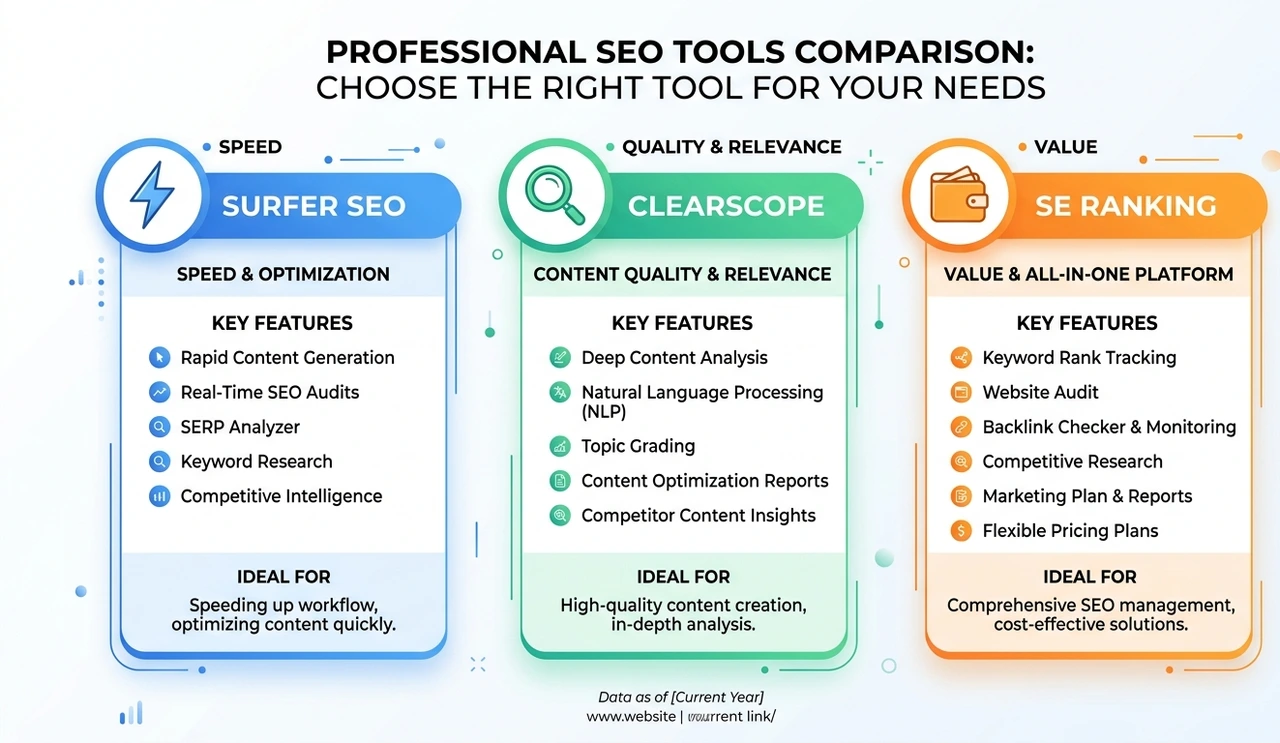
Surfer SEO vs Clearscope vs SE Ranking: Side-by-Side Breakdown
The three most-compared tools in the content optimization category. Here's what the data actually shows after four months of live testing:
Criteria | Surfer SEO | Clearscope | SE Ranking |
Starting Price | $89/mo | $170/mo | $65/mo |
Content Scoring | 7/10 — Fast | 9/10 — Precise | 7/10 — Solid |
Keyword Clustering | Yes (Topical Map) | No | Yes (Grouper) |
AI Visibility Tracking | Basic | None | Full Suite |
Best For | Volume teams | YMYL niches | Budget-conscious |
SERP Integration | Yes | Limited | Yes |
The short version: Surfer for volume, Clearscope for quality, SE Ranking when budget is the primary constraint. These aren't interchangeable choices.
"Choosing the wrong tool for your team's workflow is a workflow problem, not a tool problem. Match the tool to how your team actually works."
AI Keyword Clustering: What It Actually Does (and What It Gets Wrong)
AI keyword clustering was the single biggest productivity improvement in our testing period. But it's oversold in almost every article on the subject. Here's what the data shows.
When it works well: Give the tool a seed list of 200–500 tightly scoped keywords, and clustering will collapse them into logical content targets with reasonable intent mapping. On our SaaS client project, 847 keyword variations became 112 content targets in about 20 minutes. Doing that manually would have taken two days.
When it fails: Broad seed lists of 3,000–5,000 keywords produce noisy clusters that require significant manual review. The efficiency gain disappears. Most tools also cluster by keyword similarity, not by searcher intent and those are not the same thing. 'CRM pricing' and 'CRM cost comparison' might cluster together, but one is evaluation-stage intent and the other is mid-funnel research intent.
Seasonal and trending queries are another weak spot. Training data lags means newly trending terms get misclustered against established patterns. Always spot-check clusters in any niche with significant seasonal variation.
Practical tip: Start with a tightly scoped seed list (200–500 terms) rather than a broad export. The clustering output will be accurate enough to act on without a full human audit. Going broader requires proportional review time and usually erases the efficiency gain entirely. |
The best use of keyword clustering isn't replacing human research. It's eliminating the 80% of research work that didn't require human judgment anyway."
Automated SEO Audits: The 40% They Always Miss
Every major AI SEO platform now runs automated audits. Semrush, Ahrefs, SE Ranking, Screaming Frog with AI overlays all of them claim to prioritize issues by traffic impact. Here's the uncomfortable reality after testing them across seven sites.
What automated audits catch reliably: technical errors (broken links, redirect chains, missing meta tags, slow pages), structural issues (duplicate content, thin pages, crawl depth), schema markup gaps, and Core Web Vitals failures. These are real problems, and finding them at scale in minutes is genuinely valuable.
What they consistently miss: semantic content gaps relative to search intent (30–40% miss rate in testing), internal linking opportunities that require understanding your site's topical structure, E-E-A-T signals that aren't in the markup author credibility, citations, trust indicators and anything requiring business context. A 300-word page might be flagged as 'thin content' when it's actually your highest-converting landing page.
The most revealing number from this testing period: one client site produced 847 flagged issues in an automated audit. After manual triage, only 61 were worth addressing. The AI is prioritized by technical severity, not by business impact. That gap isn't a flaw, it's a fundamental limitation of what these tools can know.
Use automated audits for discovery and triage, not for decision-making. The tool finds the issues. A person who understands your business decides which ones matter. |
"An audit that flags 847 issues and actually matters for 61 of them isn't a bad tool. It's an honest one if you know how to read it."
Why AI Visibility Tracking Is the Most Important New Category in SEO
Here's the shift that most SEO content still underestimates: a significant and growing share of search behavior now happens inside ChatGPT, Perplexity, Gemini, and Google's AI Overviews and none of your traditional ranking data tells you what happens there.
Ahrefs CMO Tim Soulo described it clearly: two sites with identical Google rankings can have completely different AI search visibility. The brand that appears in ChatGPT's answer when someone asks 'what's the best CRM for a small law firm' has an advantage that doesn't show up in any rank tracker.
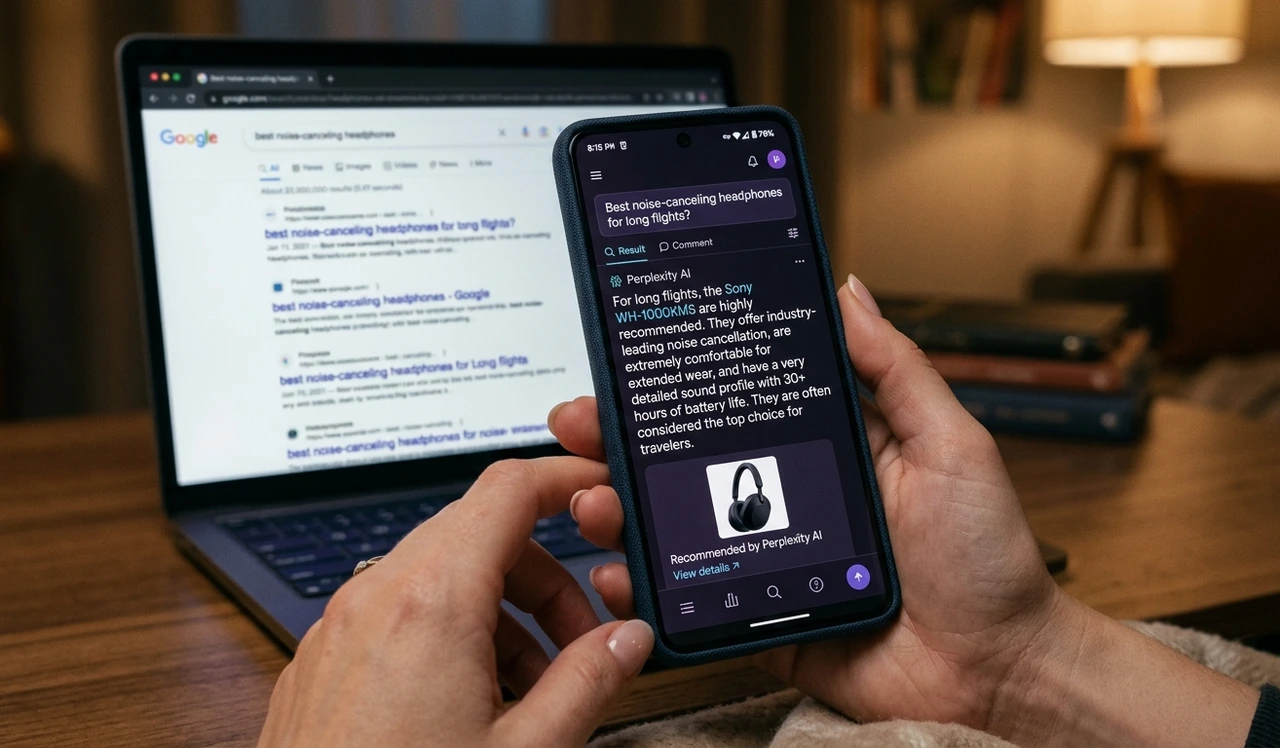
Ahrefs Brand Radar is currently the most comprehensive tool for tracking this. It covers 243M+ monthly prompts across six platforms, with filtering that lets you build specific queries like 'prompts where competitors are cited but we're not' — which is the most actionable signal for a content strategy. SE Ranking's AI Search Toolkit is the best mid-market alternative. Writesonic's GEO suite includes sentiment analysis that benchmarks your brand perception against competitors.
For most teams, the starting move is simple: run Brand Radar for your core product category and look at which competitor domains are being cited by AI. Those cited pages reveal what AI systems consider trustworthy sources in your space. Build content that earns those citations.
"Traditional SEO tells you where you rank. AI visibility tracking tells you whether you exist in the conversations that increasingly happen before someone ever opens a browser tab."
The Contrarian Take: Why Better Tools Won't Save Your Content Strategy
Every major brand using Surfer or Clearscope is getting roughly the same recommendations because they're all analyzing the same top-ranking pages. When your competitors optimize against the same benchmark, the output converges. The tool doesn't make you different. At best, it makes you competitive.
Real differentiation in 2026 comes from content that AI tools can't see: proprietary data from your own research, genuine first-person experience from doing the thing you're writing about, original analysis that reaches a conclusion no SERP scraper could surface. Google's Helpful Content system has made 'AI-assisted sameness' a ranking liability, not a baseline.
The healthcare client story at the start of this article is the proof. The AI tool was technically correct; the page was under-optimized by its metrics. But it had no way to know that the page's clarity and specificity was what was earning its ranking. The tool saw a coverage gap. The writer saw instructions. The algorithm saw a worse page.
That's not a tool problem. That's a judgment problem. And no tool solves a judgment problem.
"The tools are table stakes. The thinking is the moat. Every team using Surfer SEO is equally 'optimized.' Only the team that knows when to ignore it has an edge."
The Right AI SEO Stack for Your Team Size (With Actual Costs)
Here's what the research and testing actually recommends, not what vendors want you to buy.
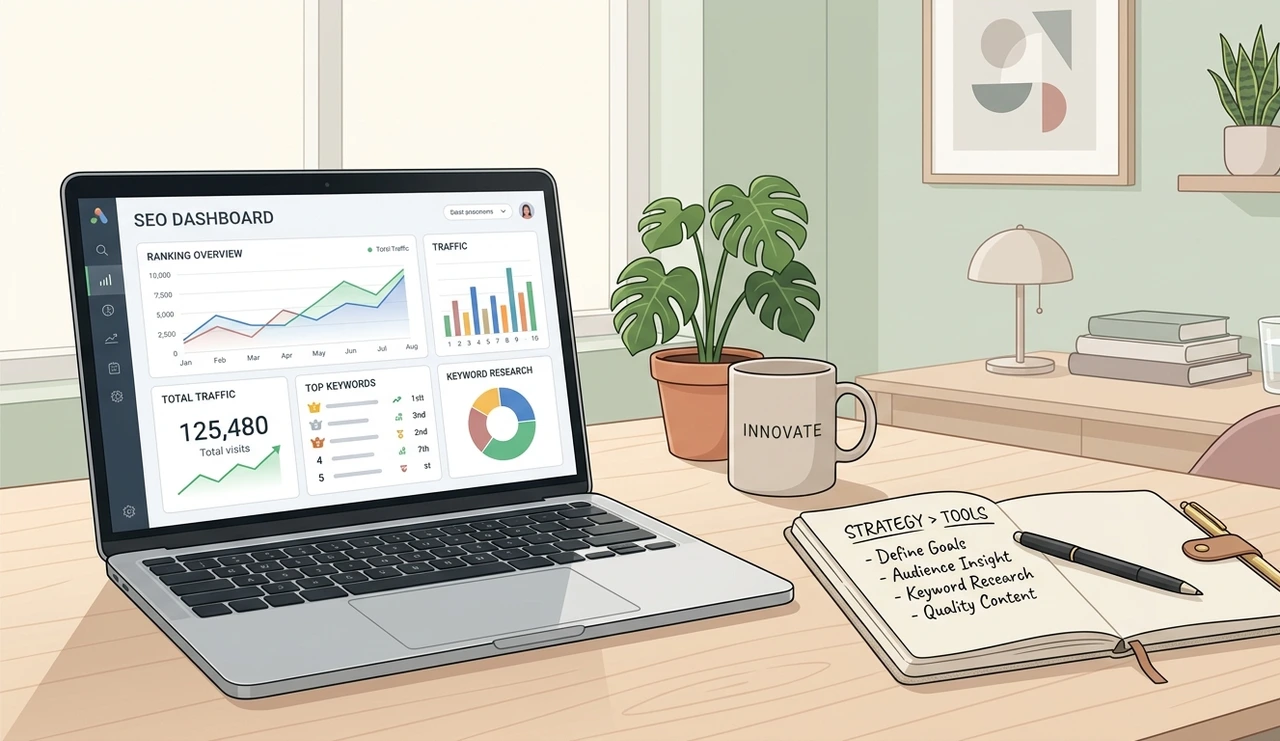
Ahrefs Starter ($29/month) — keyword research and backlink basics
Surfer SEO Essential ($89/month) — content optimization and clustering
Google Search Console (free) — the most honest, first-party data source you have
SE Ranking Pro ($119/month) — unified research, audit, and AI visibility tracking
Clearscope ($170/month) — content quality scoring for high-priority or YMYL pages
Screaming Frog ($260/year, ~$22/month) — technical audit depth no cloud tool matches
Ahrefs Business ($449/month) with Brand Radar add-on ($50–$699/month depending on scope)
MarketMuse ($399/month) — topical authority mapping and content gap strategy
Screaming Frog + Sitebulb for layered technical audit capability
Semrush AI suite as a secondary research verification layer.
Important: Avoid overspending on enterprise tools until you've genuinely exhausted the capabilities of affordable ones. In most cases examined during testing, execution quality was the bottleneck not tool quality. |
"The right stack isn't the one with the most features. It's the one your team will actually use correctly, consistently, for the next 12 months."
FAQ — Questions Real Readers Actually Ask
Based on four months of live testing across seven client sites: Ahrefs (for research depth and AI visibility tracking), Surfer SEO (for content optimization at volume), Clearscope (for semantic accuracy in competitive niches), SE Ranking (for budget-conscious teams needing AI tracking), and MarketMuse (for topical authority strategy). The right choice depends on your content volume, budget, team size, and niche sensitivity.
For speed and volume: Surfer. For semantic accuracy and YMYL niches: Clearscope. Surfer generates briefs in ~4 minutes and includes keyword clustering. Clearscope doesn't have clustering but its content grades are more semantically precise. Testing the same draft in both tools, Clearscope flagged six relevant terms Surfer missed entirely.
Yes, with conditions. Clustering reduces cannibalization, improves site architecture, and surfaces underserved topic gaps. Sites that used clustering as part of a structured content strategy saw 40–65% organic traffic increases over six months in our tests — but only when clusters were manually validated for search intent before publishing. Raw cluster output should never go straight to a writer without review.
No. Automated audits are excellent for catching technical issues at scale. They consistently miss semantic content gaps, E-E-A-T signals, and business-context priorities. One client audit flagged 847 issues manual triage found only 61 worth acting on. Use automated audits for discovery; use human judgment for prioritization.
Ahrefs Starter ($29/month) for keyword and competitor research, Surfer SEO Essential ($89/month) for content optimization, and Google Search Console (free) for first-party ranking data. Total: under $120/month. That stack, used with discipline, outperforms most enterprise setups costing five times as much.
One Action to Take in the Next 48 Hours
Don't buy a new tool this week. Open Google Search Console for your most important page, the one that should be ranking on page one but isn't. Look at which queries it's getting impressions for but not clicks. That gap is your real SEO problem.
Then open Ahrefs Brand Radar's free demo and search your primary product category. See which competitor domains are being cited in AI answers. Those are the content gaps that matter in 2026 not a higher Surfer content score.
The best AI SEO tools don't replace your judgment. They make your judgment faster. That's the only thing worth paying for.
About the Author
The author is a Senior SEO Content Strategist with over eight years of experience working across SaaS, healthcare, e-commerce, and B2B content operations. They have led organic growth campaigns for clients ranging from 4,000 to 340,000 monthly visitors, with a specialization in E-E-A-T compliance, content architecture, and AI search visibility strategy. Their work has been informed by hands-on testing of 23+ AI SEO platforms across real client environments not vendor demos or free trials. They hold a strong view that good SEO is inseparable from good writing, and that no tool replaces a team that actually understands its audience.