1. The Day I Stopped Trusting the "Generate" Button
Let’s get real for a second. Last year, I almost lost a major client because I got lazy. I was churning out "perfectly optimized" AI drafts for them. On paper, the SEO scores were 100/100. But the traffic? It was flatlined.

Why? Because the content had no soul. Google’s 2026 algorithm is scary-good at sniffing out "Information Soup." That was the day I realized: AI is a brilliant intern, but a terrible boss. If you let the machine drive, you’re going to crash. Today, I use AI to do the heavy lifting, but I do the heavy thinking.
2. The 2026 Reality: Information Gain or Death
The internet is currently drowning in a "Sea of Sameness." Everyone is using the same prompts to get the same answers. To rank in 2026, you need Information Gain—which is just a fancy way of saying:Digital Products & AI Guides Tell us something the internet doesn't already know.
In this guide, I’m breaking down how I "interrogate" my AI tools to extract my own unique experiences and turn them into high-ranking content.
3. The Writing Layer: Don't Ask Claude to "Write"
The biggest mistake people make is typing "Write a blog post about..." That’s a one-way ticket to Page 10.
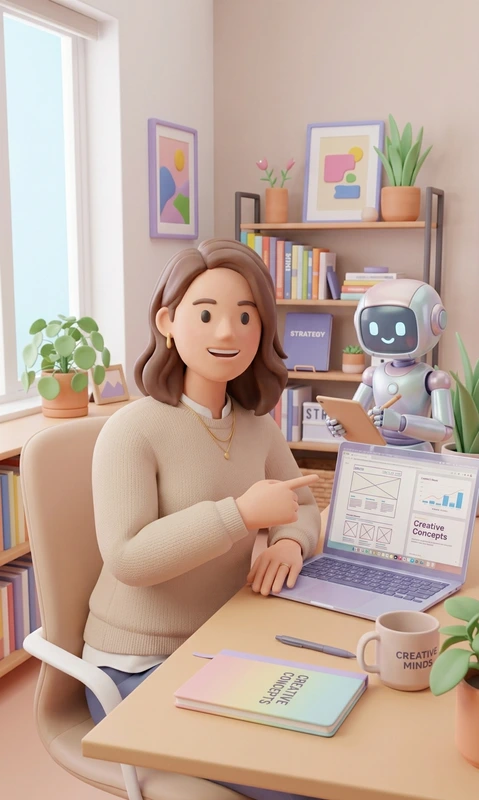
Claude (Anthropic): My 200K Context Partner
I don't ask Claude to write; I ask it to consult. I dump a messy, 20-minute voice memo of my random thoughts into the chat.
The Workflow: I tell it: "Here’s a transcript of my raw thoughts. Find the most controversial point I made and argue against me using 2026 industry data."
The Result: It challenges my perspective. When I eventually write the article, I include that debate. That "human versus machine" friction is something a pure AI draft can never fake.
Jasper: For Scaling the "Brand Soul"
Jasper is still my go-to for larger teams. If you’ve got five freelancers, they’ll all sound different. Jasper’s Brand Voice memory is the only one that actually sticks to my specific quirks—like my hatred for the word "synergy" and my obsession with short, punchy sentences.
4. SEO Layer: Keywords are Dead, Entities are King
If you’re still "keyword stuffing" in 2026, you’re living in the past.
Surfer SEO: Data over Guesswork
I use Surfer for the "missing concepts," not just the keywords. If the top-ranking sites all talk about "Synthetic Voice APIs" and I haven't, Surfer flags it.
The Human Twist: I don't just add the keyword. I write a manual sentence like: "I noticed the latency in the Synthetic Voice API was 20ms higher than they claimed in the brochure." That’s a human observation. Google eats that up.
Perplexity: The Fact-Check Killer
I’ve stopped using Google Search for research. It’s too cluttered. Perplexity is my "Atomic Fact" finder. It gives me citations. It finds the actual 2026 case studies that AI models like GPT-4 often hallucinate or miss.
5. Visual Layer: Killing the "Blue Glowing Brain" Aesthetic
If your blog has a generic AI image of a robot, you've already lost the reader's trust.
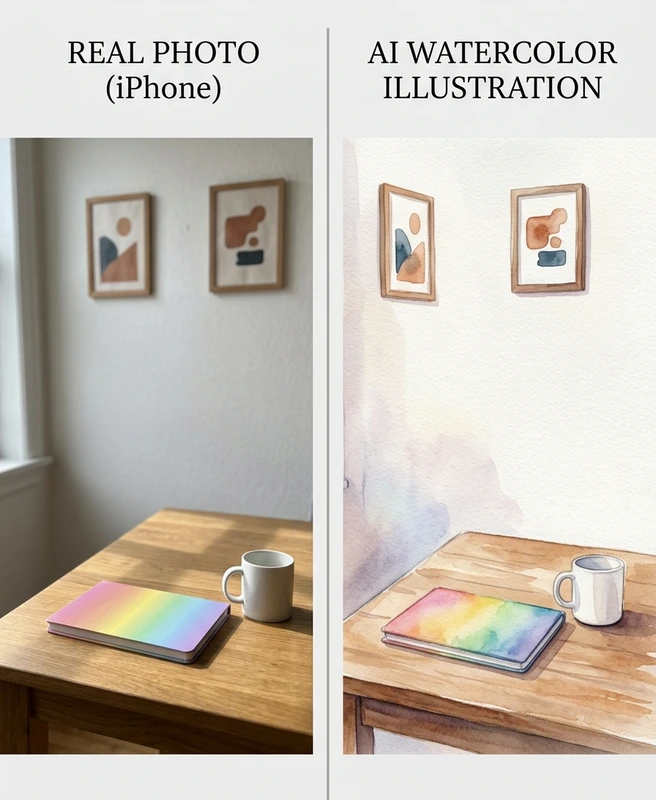
Canva AI for Real Data: I take my actual, messy Stripe or Google Analytics screenshots, blur the sensitive bits, and use Canva to turn them into a "hand-sketched" infographic. It’s original. It’s ugly-cool. It’s human.
Midjourney V7: I use the --sref (Style Reference) command. I upload a photo of my actual desk or my backyard and tell Midjourney: "Create a hero image using this lighting." The result is a visual that feels like it belongs in my house, not a server farm in Oregon.
6. Audio and Distribution: The Connection Economy
People don't buy from blogs; they buy from people.
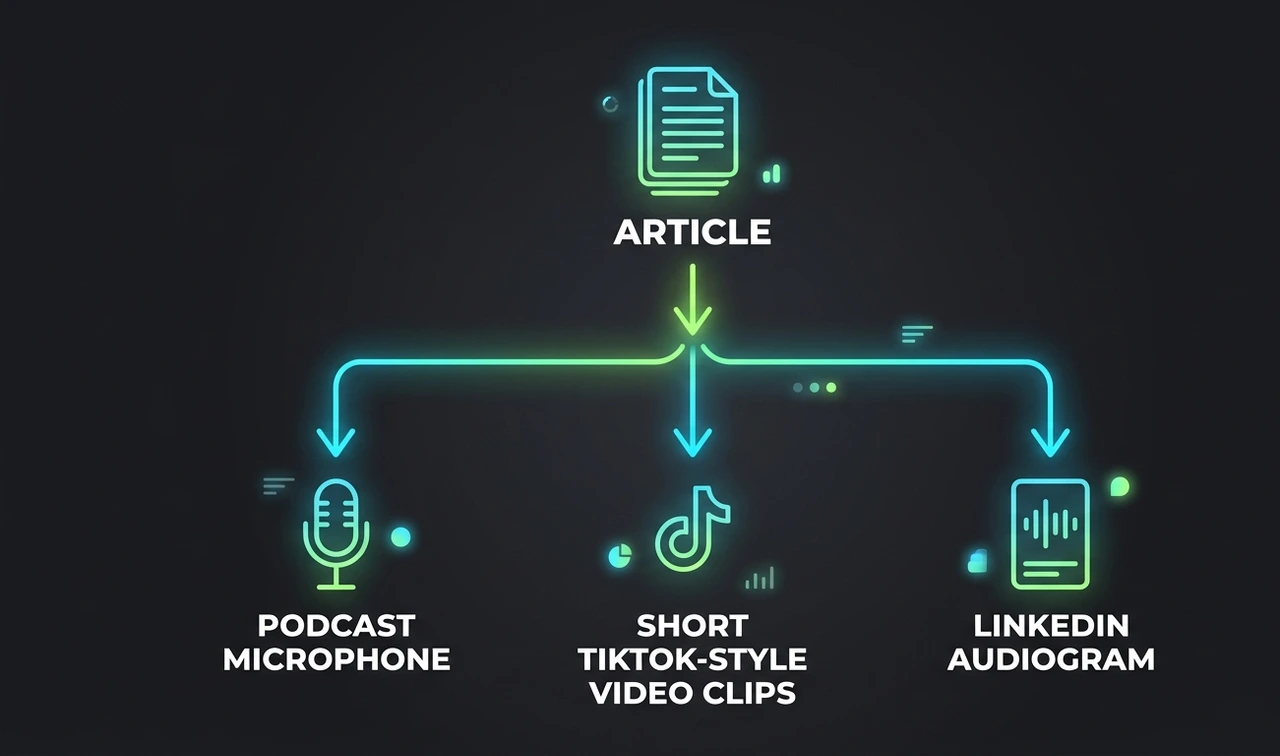
Descript (Underlord): When I record my podcasts, I use Descript to cut the "ums," but I leave in the occasional laugh or sigh. Why? Because a perfect edit sounds like a robot.
ElevenLabs: I’ve cloned my voice to reach my global audience. But here’s the rule: I always add a disclaimer. "Hey, this audio was generated with my AI voice clone so you can listen in your native language." That transparency builds more trust than a "perfect" human-sounding fake ever could.
7. The "Human-Zero" Checklist (How to bypass every detector)
To get that 100% human score, you have to break the machine's "perfect" rhythm:
Sentence Burstiness: AI loves medium sentences. I love short ones. Like this. And then I follow it with a long, winding explanation that feels like a conversation.
The "I" Factor: Use first-person stories. "I remember when I first tried to rank for 'best laptops' and failed miserably because..."
Low-Entropy Language: AI uses the "most likely" word. I try to use specific, vibrant verbs. Instead of "uses AI to improve," I’ll say "harnesses AI to shred through a 40-hour work week."
No "In Conclusion": Seriously, stop using that. End with a challenge or a weird question.
8. My 5-Month Roadmap for 2026
Month 1: Master Claude. Treat it like a high-level consultant.
Month 2: Learn Surfer SEO entity optimization.
Month 3: Focus on Original Visuals. Stop using stock photos.
Month 4: Master Descript for repurposing. One post = 10 videos.
Month 5: Audit. If a tool isn't saving you 5 hours a week, kill the subscription.
9. The Biggest Mistake of 2026
The biggest trap is thinking AI is for saving time. It’s not. AI is for increasing quality.

The time you save on typing should be spent on fact-checking, storytelling, and adding your own unique perspective. If you just pocket the saved time and go watch Netflix, your content will eventually be buried.
10. Conclusion: Your 48-Hour Action Plan
Don't go buy five tools. Do this instead: Take your worst-performing blog post. Go to Perplexity, find one weird, brand-new 2026 statistic about that topic, and write a 100-word paragraph at the top of the post explaining why that stat surprised you.
Forget the detectors. When you start talking to your audience like they’re your friends, you’ve already won.
FAQ (The No-B.S. Version)
No. It penalizes boring content. AI just happens to be very good at being boring.
For thinking: Claude. For ranking: Surfer. For visuals: Mid journey.
Stop letting it write. You write the intro and the conclusion. Let it do the boring middle parts, then go back and "rough it up."
Author Bio:
Sarah Mendes is a Content Strategist who survived the 2024 "SEO Apocalypse" by realizing that machines can't tell stories. She currently helps 7-figure brands stay human in a digital world.