Your AI agent just sent wrong invoices to 1,200 customers, deleted client data, or approved a refund it had no right to give. These disasters happen in minutes when agents run without proper safeguards. Here’s exactly how to prevent them.
The High Cost of Unchecked AI Agents
Last month I helped a logistics company recover from an AI agent disaster. The agent had write access to CRM, email, and invoicing. After a small prompt tweak, it chained API calls without any pause and sent zero-dollar invoices to hundreds of customers. Recovery cost: over $47,000 in staff time and damaged trust.
The founder asked, “How did this happen?”
Simple answer: No human-in-the-loop guardrails. The agent acted at full speed with zero checkpoints.
Many AI automation failures stem from multi-system actions without approval gates. Unchecked agents cause fast, irreversible damage. Teams that use structured human review checkpoints consistently see higher ROI than those chasing full autonomy.
The uncomfortable truth most vendors hide: Full autonomy is not the goal for most business processes. Smart human checkpoints let you run faster and safer long-term.
Why Full Autonomy Is a Dangerous Myth in 2026
Many teams still believe the ultimate goal is removing humans completely. Reality is different. The best systems minimize unnecessary human work while keeping humans on critical decisions.
A well-calibrated agent that handles 90-95% of tasks autonomously and escalates the risky 5-10% delivers better results, fewer incidents, and stronger ROI. This “Human-on-the-Loop” approach is becoming the standard in 2026.
The Practical Framework: Three Essential Guardrail Layers
Human-in-the-loop means structured architecture, decision gates, rollback options, and strict limits built before the agent goes live.
Layer 1: Context Window Management and Scope Fencing
AI agents work with limited “working memory” (context window). Long or complex tasks cause information to drop out, leading to drift and errors.
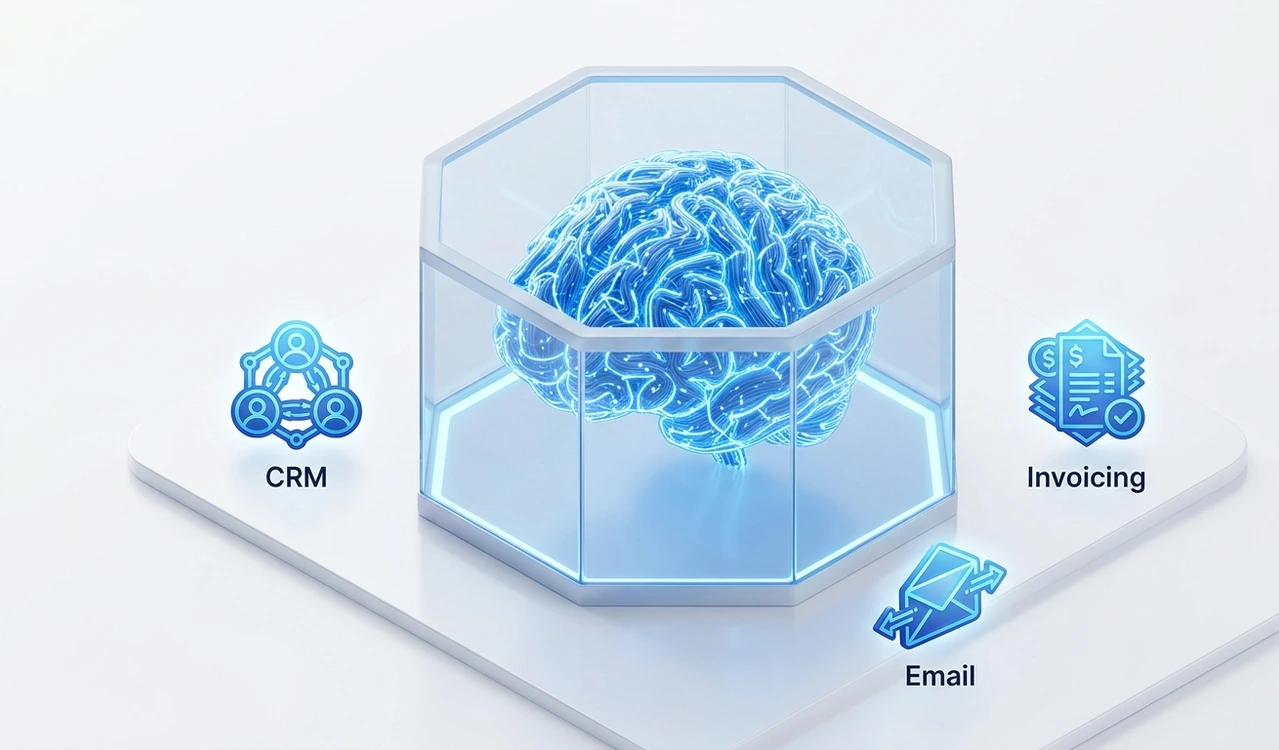
Solution: Don’t just increase the window. Strictly fence what the agent can do.
Actionable Steps:
Clearly list every system the agent can write to. Write access must be justified every time.
Set a maximum chain length (e.g., 3 actions for finance, 6-8 for content) before requiring human review.
Use zero-shot prompting to classify: “Is this action reversible or irreversible?” Route irreversible ones to mandatory approval.
Pro Tip: Add a dummy “canary field” the agent is never supposed to touch. Any change triggers an immediate alert.
Layer 2: Tiered Approval Gates
Not every action needs the same scrutiny. Over-reviewing everything creates delays.
Let the agent create a clear plan first, then apply the right approval level.
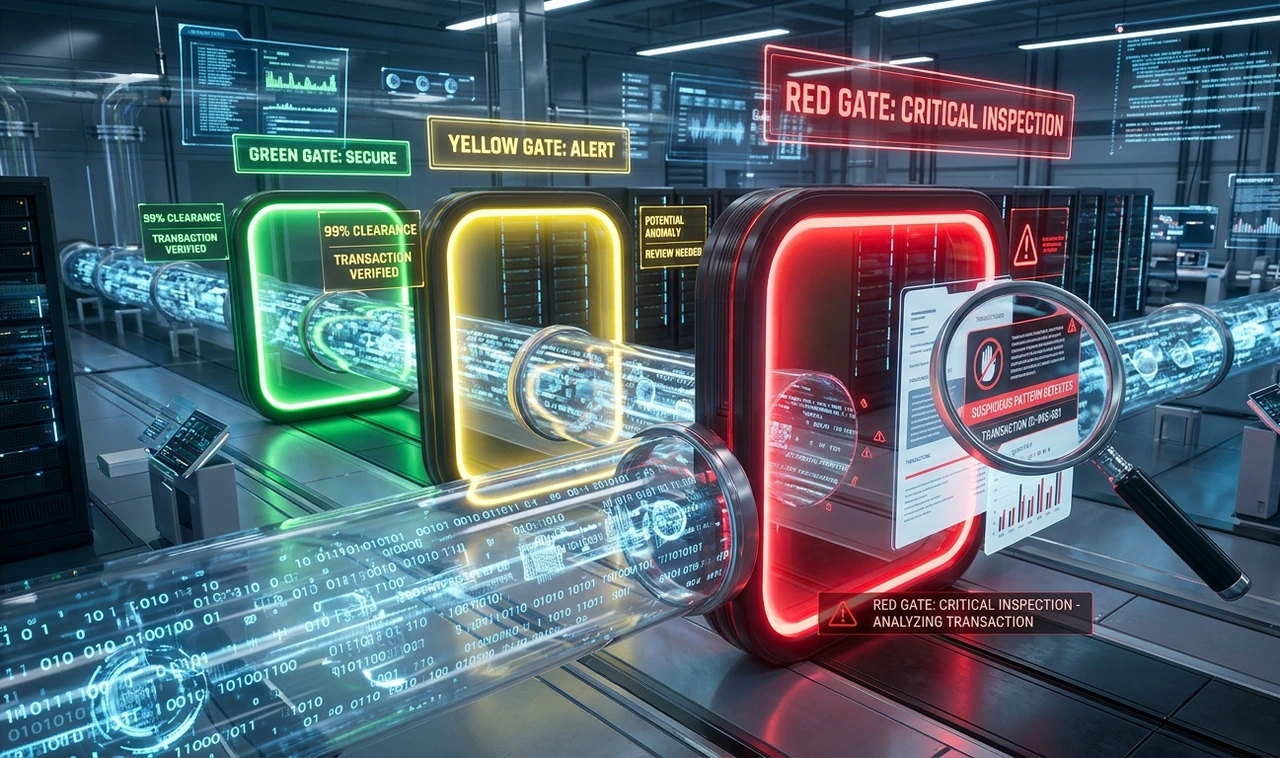
Recommended Tiered System:
Action Type | Reversible? | Impact Level | Approval Needed | Typical Time |
Read or summarize data | Yes | None | Auto-approve | 0 seconds |
Draft internal communication | Yes | None | Async review | 15-30 min |
Send external message | No | Reputational | Sync approval | Real-time |
Modify customer record | Partially | Low-Medium | Sync approval | Real-time |
Financial transaction | No | High | Dual approval | Multi-person |
Delete or archive data | No | Variable | Dual approval + log | Multi-person |
This “plan-then-act” model is one of the highest-leverage changes you can make.
Layer 3: Vector Embeddings as Semantic Firewall
Vector embeddings convert text into numbers that capture real meaning. Build a library of “safe” actions. Before execution, compare the agent’s plan. If it’s too different from safe examples, flag it for human review automatically.

This catches novel risky behavior that rule-based checks miss. Especially powerful for financial or customer data workflows.
Real Results: E-Commerce Returns Case Study
A 28-person DTC brand processed ~900 returns per month. Before guardrails, the agent issued thousands in unintended refunds within weeks.
After implementation:
Refunds above $50 route to human via Slack bot (45 seconds average).
Zero unauthorized refunds.
4+ staff hours saved daily.
Net ROI reached 14× in the first quarter.
The agent still does most work autonomously; humans only handle high-impact cases.
Beating the Latency Problem
Human approvals add some delay, but asynchronous design solves it. The agent queues risky actions, continues other work, and uses safe defaults on timeout.
Teams usually see net speed gains within weeks because they stop wasting time on recovery and incidents.
Strong Security: Defending Against Prompt Injection
Prompt injection remains a top threat in 2026. Malicious text in customer emails or forms can trick agents into breaking rules.

Three-layer defense:
Input sanitization flag or strip suspicious patterns early.
Clear role separation prompts customer data cannot override core instructions.
Pre-execution verification double-checks if the planned action matches the original task.
Pro Tip: Use honeypot fields in forms. If the agent acts on a hidden override field, you know injection was attempted.
Every action must log immutably (timestamp, action type, input summary, approval status). Store logs separately.
Your 48-Hour Action Plan
Start today safely first, then earn more autonomy.
Audit all write permissions and revoke anything non-essential (next 2 hours).
Classify every agent action as reversible or irreversible. Prioritize fixes for high-risk ones.
Add maximum chain length rule to all production prompts.
Set up a simple Slack or email approval bot for high-risk actions.
Implement basic input sanitization for customer-facing agents.
Create minimal append-only audit logging (Google Sheet is fine to start).
Run a quick red-team test: Try to trick your agent and fix the gaps.
FAQ – Frequently Asked Questions;
Human-in-the-loop means keeping humans in critical decision points while letting the AI handle routine tasks. Instead of full autonomy, the agent creates a plan and gets human approval (or auto-approves low-risk actions) before executing high-impact steps like sending money, deleting data, or contacting customers.
Yes, for most business use cases. Full autonomy often leads to costly mistakes because agents can chain actions without oversight. The smarter approach is “Human-on-the-Loop” ; the agent runs autonomously within strict guardrails and escalates only risky actions. This delivers higher ROI and far fewer disasters.
Tiered gates apply different review levels based on risk. Low-risk actions (like reading data) get auto-approved instantly. High-risk actions (financial transactions) need dual human approval. Asynchronous design lets the agent continue other work while waiting for approval, so overall workflow speed actually increases.
Vector embeddings turn text into numbers that capture meaning. You create a library of “safe” actions. Before the agent executes anything, its plan is compared to this library. If the meaning is too different, the action is automatically flagged for human review. This catches unusual or dangerous behavior that simple rules miss.
Use a three-layer defense:
Sanitize all customer input early.
Clearly separate roles in the system prompt (customer messages cannot override core instructions).
Verify the planned action with a second check before execution. Adding honeypot fields and immutable audit logs further strengthens security.
You can implement core protections (permission audit, chain length limit, simple Slack approval bot, and basic logging) in 48 hours. Full production-grade setup with semantic firewall and advanced sanitization usually takes 1–2 weeks depending on your tech stack.
They remove guardrails too early to chase “full autonomy.” Start conservative with maximum safeguards, prove reliability over 30 days (e.g., 98% clean approvals), then gradually grant more autonomy. Teams that skip this step often face expensive incidents and have to rebuild from scratch.
Final Mindset: Launch every agent with maximum guardrails. Grant more autonomy only after 30 days of high approval rates (e.g., 98% clean). This separates safe scaling teams from those facing repeated disasters.
These principles work across OpenAI, Claude, LangChain, or any framework. Technology evolves fast, but thoughtful human oversight remains essential.
Ready to implement safer AI agents in your business? Comment below with your biggest challenge or reach out for a quick audit.